How AI Is Dramatically Changing Everyday Life in 2026: 3 Powerful Real-World Impacts
Artificial intelligence is no longer a futuristic concept seen only in science fiction movies. It has become part of everyday life — quietly transforming how people work, communicate, shop, learn, and even take care of their health. How AI is changing everyday life has become one of the biggest technology discussions in 2026. From productivity tools and healthcare apps to smarter financial decisions, artificial intelligence is now part of daily human life.
Most people interact with AI dozens of times every day without realizing it. When your phone predicts the next word you type, when Netflix recommends a movie, when Google Maps avoids traffic, or when an online store shows products you actually want — artificial intelligence is working behind the scenes.
What once required large teams, expensive software, or advanced technical skills can now be done in minutes using AI-powered tools. Businesses are automating repetitive tasks. Students are learning faster. Creators are producing content more efficiently. Healthcare providers are improving patient care. AI is changing how humans interact with technology at every level.
At Smart AI Human, we explore practical AI tools and technologies that help people save time, improve productivity, simplify everyday tasks, and make smarter decisions in a fast-changing digital world.
In this article, we will explore the three biggest areas where artificial intelligence is making the strongest real-world impact today — and why understanding AI matters more than ever in 2026.
What Is Artificial Intelligence in Everyday Life?
Artificial intelligence refers to computer systems that can perform tasks normally requiring human intelligence. These tasks include learning, problem-solving, language understanding, decision-making, and pattern recognition.
Today, AI is used in:
- Smartphones
- Search engines
- Banking apps
- Online shopping
- Healthcare systems
- Customer support
- Smart home devices
- Content creation tools
- Productivity software
According to IBM Artificial Intelligence, AI technologies are now helping organizations automate processes, improve efficiency, and analyze massive amounts of data faster than humans alone.
The biggest reason AI is growing so rapidly is simple:
It helps people do things faster, smarter, and more efficiently.

1. AI Is Revolutionizing Productivity and Work
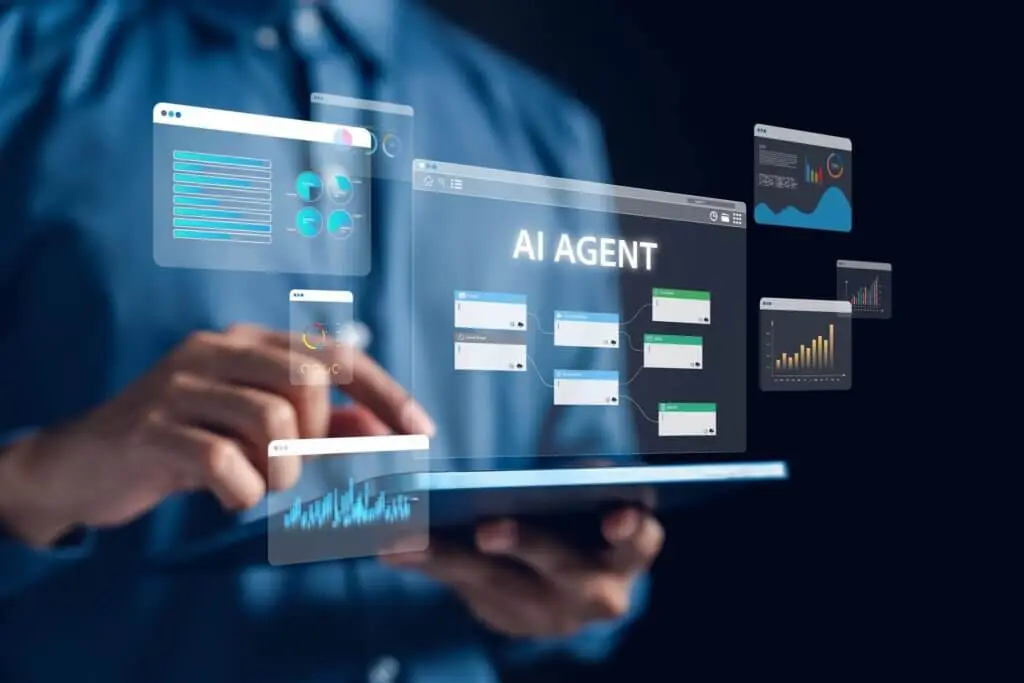
One of the biggest impacts of artificial intelligence is the transformation of workplace productivity. For decades, businesses depended heavily on manual processes that consumed time, money, and human effort. Today, AI-powered tools can automate repetitive tasks and significantly improve efficiency.
How Ai Improves Productivity
AI tools are helping people:
- Write emails faster
- Generate blog content
- Summarize long documents
- Automate customer support
- Schedule meetings
- Analyze business data
- Create marketing campaigns
- Organize workflows
Instead of spending hours on repetitive work, professionals can now focus on creativity, strategy, and decision-making.
For example, AI writing assistants help content creators generate outlines, social media posts, and product descriptions within minutes. AI-powered automation software can manage customer inquiries instantly without human intervention.
This is especially valuable for:
- Small business owners
- Freelancers
- Startups
- Remote workers
- Content creators
- Digital marketers
Many businesses now use AI to reduce operational costs while improving productivity at the same time.
According to OpenAI, generative AI tools are helping individuals and organizations enhance creativity and automate knowledge-based tasks across industries.
AI Is Not Replacing Humans Completely
One of the biggest concerns people have is whether AI will replace jobs entirely.
The reality is more balanced.
In most industries, AI works best when combined with human creativity, emotional intelligence, and decision-making. AI handles repetitive processes while humans focus on innovation and critical thinking.
This collaboration between humans and AI is creating a new era of smarter work environments.

2. Ai Is Transforming Healthcare and Personal Wellness
Healthcare is another industry experiencing massive transformation because of artificial intelligence.
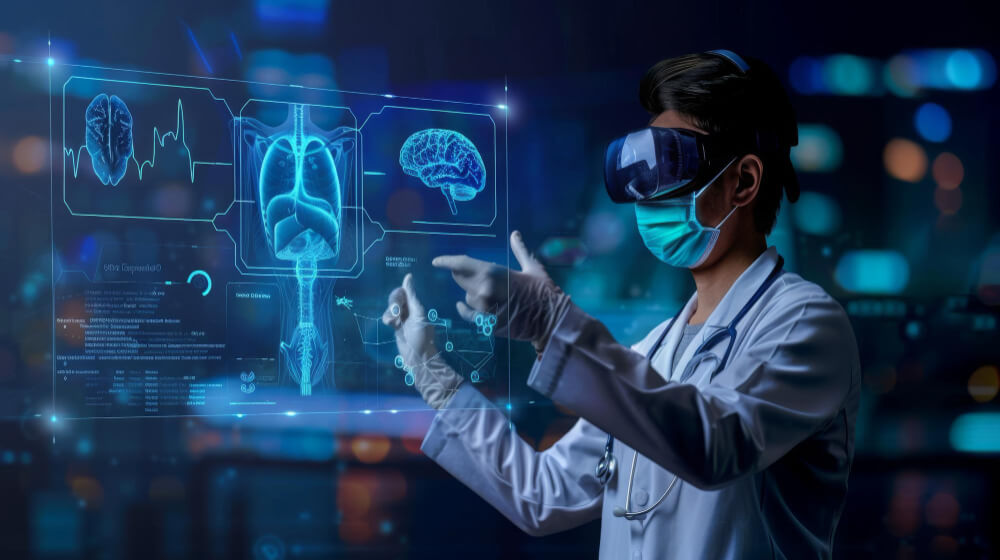
Doctors, hospitals, researchers, and wellness companies now use AI to improve medical accuracy, patient care, and preventive health monitoring.
How AI Is Used in Healthcare
AI systems can help:
- Detect diseases earlier
- Analyze medical scans
- Predict health risks
- Monitor patient recovery
- Improve diagnosis accuracy
- Reduce administrative workload
In some cases, AI can identify patterns in medical data faster than traditional analysis methods.
For example: AI-powered imaging systems help doctors analyze X-rays and MRI scans more efficiently. Predictive analytics tools help healthcare providers identify potential health risks before conditions become severe.
According to Google AI, machine learning technologies are already supporting advancements in medical research, diagnostics, and healthcare accessibility.
AI in Everyday Wellness
Artificial intelligence is also changing personal wellness and daily health management.

Millions of people now use AI-powered apps and wearable devices to:
- Track sleep quality
- Monitor heart rate
- Improve fitness routines
- Manage stress levels
- Build healthier habits
- Receive personalized recommendations
Fitness apps powered by AI can customize workouts based on user goals and performance. Smartwatches monitor health metrics in real time and alert users about unusual activity.Mental wellness platforms are also becoming increasingly popular. AI-driven meditation and stress management tools provide accessible support for people managing busy lifestyles.Although AI cannot replace doctors or therapists, it can make healthcare more accessible, efficient, and personalized for millions of users worldwide.

3. AI Is Changing Everyday Consumer Experiences
Artificial intelligence now shapes many of the digital experiences people interact with daily.
From online shopping to entertainment and navigation, AI is helping companies create more personalized and intelligent experiences.
AI in Daily Consumer Technology
AI is commonly used in:
- Streaming recommendations
- Online shopping suggestions
- Voice assistants
- Navigation apps
- Fraud detection
- Language translation
- Smart home automation
- Social media algorithms
For example, platforms like YouTube and Netflix analyze viewing behavior to recommend content users are more likely to enjoy. E-commerce websites use AI to personalize product suggestions based on browsing patterns and purchase history.
AI also plays a major role in financial security. Banking systems use machine learning to detect suspicious activity and prevent fraud in real time.
Smart Homes and AI Automation
Smart home technology is another rapidly growing area.
AI-powered devices can:
- Adjust room temperatures automatically
- Manage lighting systems
- Control home security
- Automate appliances
- Learn user routines
Virtual assistants like Alexa, Siri, and Google Assistant have become part of daily life for millions of households.
These technologies are making everyday living more convenient, efficient, and connected.

Why AI Matters More Than Ever in 2026
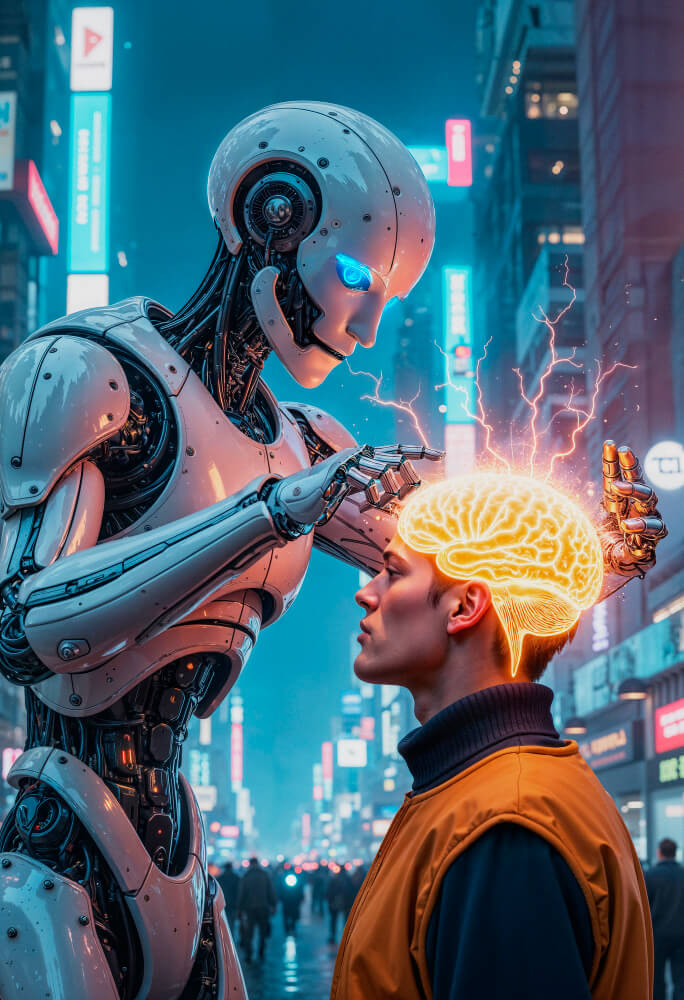
Artificial intelligence is not just another technology trend. It is becoming one of the most influential technologies shaping the future of society.
The people who understand how to use AI effectively will have a significant advantage in:
- Career growth
- Business productivity
- Digital marketing
- Online education
- Financial management
- Content creation
- Personal organization
The good news is that you do not need advanced technical skills to benefit from AI.Modern AI tools are becoming increasingly user-friendly and accessible. Anyone can start using AI to improve productivity, automate repetitive tasks, and simplify daily routines.This is one of the main reasons why platforms like Smart AI Human are becoming valuable resources for people looking to understand and apply AI in practical ways.
Benefits of Artificial Intelligence in Everyday Life
Here are some of the biggest benefits AI provides today:
Saves Time
AI automates repetitive tasks and speeds up workflows.
Improves Productivity
People can accomplish more work in less time.
Personalizes Experiences
Apps and platforms deliver more relevant recommendations.
Enhances Decision-Making
AI analyzes large amounts of data quickly and accurately.
Improves Accessibility
AI tools make services and information easier to access.
Supports Innovation
Businesses can create smarter products and services faster.
Frequently Asked Questions
AI in everyday life refers to artificial intelligence systems used in apps, devices, software, and online services to automate tasks, personalize experiences, and improve efficiency.
AI improves productivity by automating repetitive tasks, organizing workflows, generating content, analyzing data, and helping users complete tasks faster.
AI can be safe when developed and used responsibly. However, ethical concerns such as privacy, misinformation, and job displacement remain important topics for governments and technology companies.
AI will automate some tasks, but most industries still require human creativity, emotional intelligence, leadership, and decision-making skills.
Some of the biggest industries using AI include healthcare, finance, education, marketing, e-commerce, transportation, and entertainment.

Final Thoughts
Artificial intelligence is already transforming everyday life in ways that were almost unimaginable just a few years ago. From improving workplace productivity to advancing healthcare and creating smarter digital experiences, AI is becoming deeply integrated into modern society. The future will belong to people who learn how to work alongside AI instead of ignoring it. As AI technology continues to evolve, one question becomes increasingly important: Are we ready to use artificial intelligence wisely — or will we simply allow it to shape our lives without understanding its true impact?
Related AI tutorial posts




SmartAIHuman Editorial Team shares practical AI guides, tool reviews, productivity strategies, and beginner-friendly tech tutorials to help readers use AI effectively in everyday life.